
Can I Customize Excel For Mac Ribbon Site Answers.microsoft.com
- Some people love the Ribbon interface of Office 2016, while others only tolerate it. No matter what your feelings toward the Ribbon interface may be, you can customize which icons appear on it so it only displays those features you need (and use) most often. To customize the Ribbon interface, follow these steps: Load an.
- 2015-11-19 how do I customize the ribbon on excel 2016 for mac thanks, Mort. You can help protect yourself from scammers by verifying that the contact is a Microsoft Agent or Microsoft Employee. Us about your experience with our site. How can I get microsoft monet to run in windows 10 Created on October 9, 2015. How do I customize ribbon.
- Home » Excel » Excel Tools » Excel 2016 – Ribbons, Tabs and Quick Access Toolbar Microsoft Excel is one of the best tools ever built. It can help you perform not only easy tasks like calculations but also helps in performing analytical tasks, visualization, and financial modeling.
- As with the QAT, you can easily customize the Ribbon. To do so, right-click anywhere in the Ribbon and choose Customize Ribbon from the submenu. Three quick sorting tips for Access and Excel.
In some situations, you may want to modify the Excel Ribbon automatically when a workbook or add-in is opened. Doing so makes it easy for the user to access your macro. It also eliminates the need for the user to modify the Ribbon manually by using the Excel Options dialog box.
You can make automatic changes to the Ribbon with Excel 2007 and later versions, but it’s not a simple task. Modifying the Ribbon involves writing XML code in a text editor, copying that XML file into the workbook file, editing a bunch of XML files (which also are stashed away inside the Excel file, which in reality is nothing more than a zipped container of individual files), and then writing VBA procedures to handle the clicking of the controls you put in the XML file.
2020-4-4 The Custom UI Editor also has an option to insert a UI part for Excel 2010 (the software I used has not been updated for Office 2013 or Office 2016). For maximum compatibility, use the Excel 2007 Custom UI Part. You probably realize that modifying the Ribbon using XML is not exactly intuitive.
Fortunately, software is available to assist you with customizing the Ribbon — but you still need to be on familiar terms with XML.
Follow these steps exactly:
Create a new Excel workbook.
Save the workbook, and name it ribbon modification.xlsm.
Close the workbook.
Launch the Custom UI Editor for Microsoft Office.
If you don’t have this software, you need to find it and install it. Refer to the nearby sidebar “Get the software.”
In the Custom UI Editor, choose File → Open and find the workbook you saved in Step 2.
Choose Insert → Office 2007 Custom UI Part.
Choose this command even if you’re using Excel 2010, Excel 2013, or Excel 2016.
Type the following code in the code panel (named customUI.xml) displayed in the Custom UI Editor:
Click the Validate button on the toolbar.
If the code has any syntax errors, you get a message that describes the problem. If any errors are identified, you must correct them.
Click the Generate Callback button.
The Custom UI Editor creates a VBA Sub procedure that is executed when the button is clicked. This procedure is not actually inserted into the workbook, so you need to copy it for later use (or memorize it, if you have a good memory).
The VBA callback procedure that is executed by clicking the Ribbon button.Go back to the customUI.xml module and choose File → Save (or click the Save icon on the toolbar).
Close the file by choosing the File → Close command.
Open the workbook in Excel, and click the Home tab.
You should see the new Ribbon group and Ribbon button. But it doesn’t work yet.
Press Alt+F11 to activate the VBE.
Insert a new VBA module; paste (or type) the callback procedure that was generated in Step 9; and add a MsgBox statement, so you’ll know whether the procedure is actually being executed.
The procedure is
Press Alt+F11 to jump back to Excel, and click the new button on the Ribbon.
If all goes well, you see the MsgBox.
Proof that adding a new Ribbon command using XML is actually possible.
In the Custom UI Editor, when you choose Insert → Office 2007 Custom UI Part, you insert a UI part for Excel 2007. The Custom UI Editor also has an option to insert a UI part for Excel 2010 (the software I used has not been updated for Office 2013 or Office 2016). For maximum compatibility, use the Excel 2007 Custom UI Part.
You probably realize that modifying the Ribbon using XML is not exactly intuitive. Even with a good tool to help (such as the Custom UI Editor), you still need to understand XML. If that sounds appealing to you, search the web or find a book devoted exclusively to customizing the Ribbon interface in Microsoft Office.
-->The ribbon component of the Microsoft Office Fluent user interface gives users a flexible way to work with Office applications. Ribbon Extensibility (RibbonX) uses a simple, text-based, declarative XML markup to create and customize the ribbon.
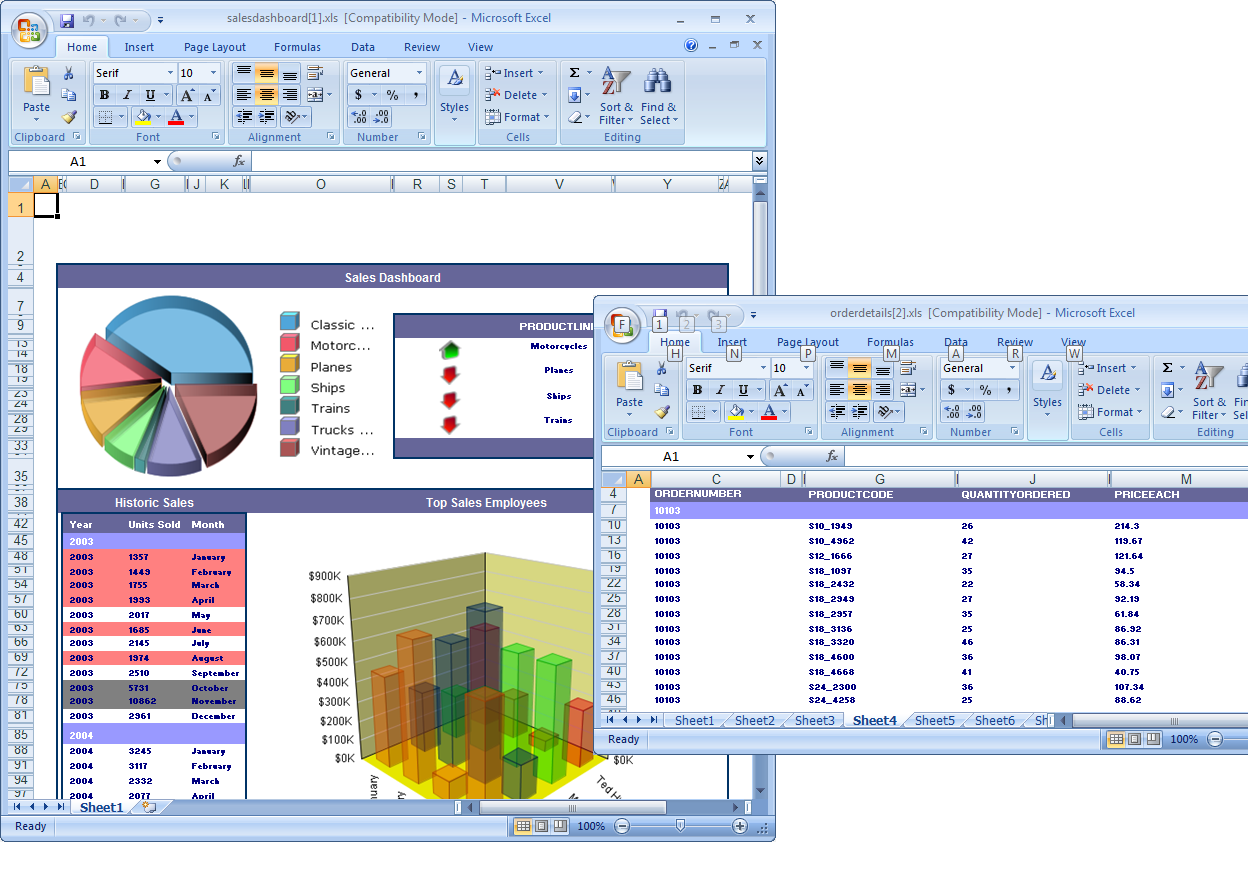
The code example in this topic shows how to add custom components to the ribbon for a single document, as opposed to adding application-level customizations. In the following steps, you add a custom tab, a custom group, and a custom button to the existing ribbon in Word. You also implement a callback procedure for the button that inserts a company name into the document.
Create the customization file in any text editor and save the file with the name customUI.xml.
Add the following XML markup to the file and then close and save the file.
Create a folder on your desktop named customUI and copy the XML customization file to the folder.
Validate the XML markup with a custom schema.
Create a document in Word and save it with the name RibbonSample.docm.
Open the Visual Basic Editor, add the following procedure to the ThisDocument code module, and then close and save the document.
Add a .zip extension to the document file name and then double-click it to open the file.
Add the customization file to the container by dragging the customUI folder from the desktop to the .zip file.
Extract the .rels file to your desktop. A _rels folder that contains the .rels file is copied to your desktop.
Open the .rels file and add the following line between the last Relationship tag and the Relationships tag. This creates a relationship between the document file and the customization file.
Microsoft paint free mac. Close and save the file.
Add the .rels folder back to the container file by dragging it from the desktop, overwriting the existing file.
Rename the document file to its original name by removing the .zip extension.
Open the document and notice that the ribbon now displays the My Tab tab.
Choose the tab and notice the Sample Group group with a button control.
Choose the button to insert the company name into the document.
See also

Support and feedback
Can I Customize Excel For Mac Ribbon Site Answers.microsoft.com 2016
Have questions or feedback about Office VBA or this documentation? Please see Office VBA support and feedback for guidance about the ways you can receive support and provide feedback.